
Homeowners
What to know before hiring a masonry or concrete contractor in NJ
By Mehal Construction Corp. · Updated October 2026 · 6 min read

Key points
- Contractors doing home improvement work in New Jersey must register with the NJ Division of Consumer Affairs.
- Contracts of $500 or more must be in writing and include specific details.
- You can cancel in writing until midnight of the third business day after you receive a copy of the contract.
- Ask for the contractor's liability insurance information before work starts.
A new driveway, front steps or retaining wall is a big purchase, and it sits outside your door for decades. New Jersey has specific consumer rules for home improvement work, and knowing them makes it easier to compare contractors and avoid surprises. This guide covers the basics in plain language.
1. Check the contractor's New Jersey registration
New Jersey requires home improvement contractors to register with the Division of Consumer Affairs, and the registration is renewed every year. The registration number belongs on the contract, and many contractors also list it on their trucks, estimates and website.
Registration is a basic requirement, not an endorsement of quality. Treat it as the first box to check, then keep going.
2. Get the contract in writing
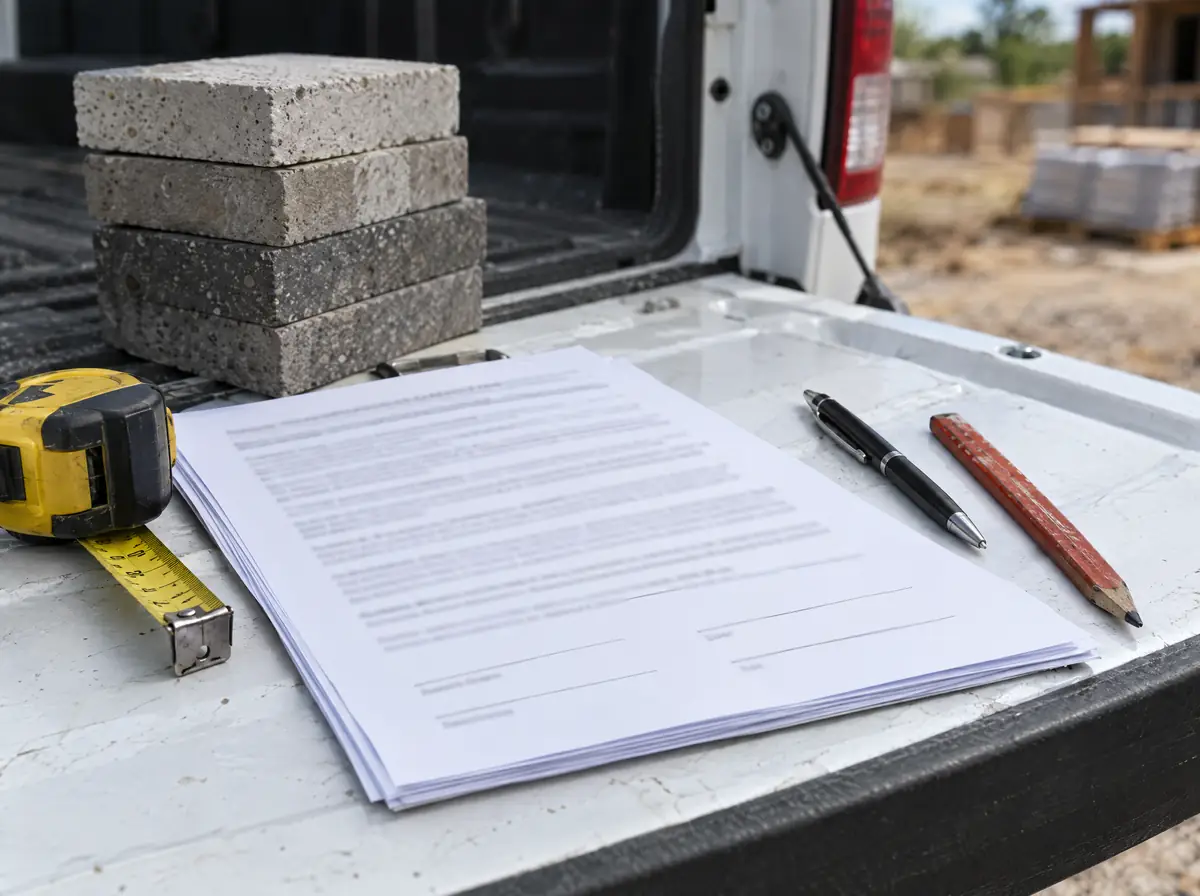
Under New Jersey's home improvement rules, a contract of $500 or more has to be in writing. It should include:
- The contractor's legal name, business address and registration number
- Start and completion dates
- A description of the work and the materials, including brand names and grades where they apply
- The total price
- Any warranties on the work or materials
If something matters to you, such as how old concrete is hauled away, how the lawn is restored or who pulls the permit, ask for it to be written into the contract.
3. Know your three-day cancellation right
You can cancel a home improvement contract until midnight of the third business day after you receive a copy of it. The cancellation has to be in writing. Keep a copy of what you sent and how you sent it.
4. Ask about insurance
New Jersey requires home improvement contractors to give you a copy of their commercial general liability insurance certificate, along with the insurer's phone number. A quick call to confirm the policy is active is worth the few minutes.
5. Questions that separate a good bid from a vague one
Concrete and masonry fail most often because of what you can't see: the base, the drainage and the reinforcement. Ask each contractor:
- How deep will the base be, and what material will you use?
- Will there be reinforcement (wire mesh, rebar or fiber), and where?
- Where will the water go? Which way will the slab or patio pitch?
- Where will the control joints be on a concrete slab?
- Who handles the permit, if one is needed, and the town inspection?
- What happens to the old material and the area around the work?
- What should I avoid doing in the first weeks after the pour, such as driving on it or using de-icing salt?
Comparing answers side by side tells you more than comparing totals.
6. Red flags
- Pressure to sign the same day, or a "today only" offer
- No written contract, or a contract missing the items above
- Large payments in cash with no receipt
- No registration number anywhere on the paperwork
- A bid much lower than the others with no explanation of what's different
Common questions
Does a small repair need a written contract in New Jersey?+
How do I cancel a home improvement contract in NJ?+
Does contractor registration mean the state approves their work?+
Sources
Planning a walkway, patio, steps or wall?
Send us the details and photos, and we'll follow up during business hours.
Related guides
Hardscape
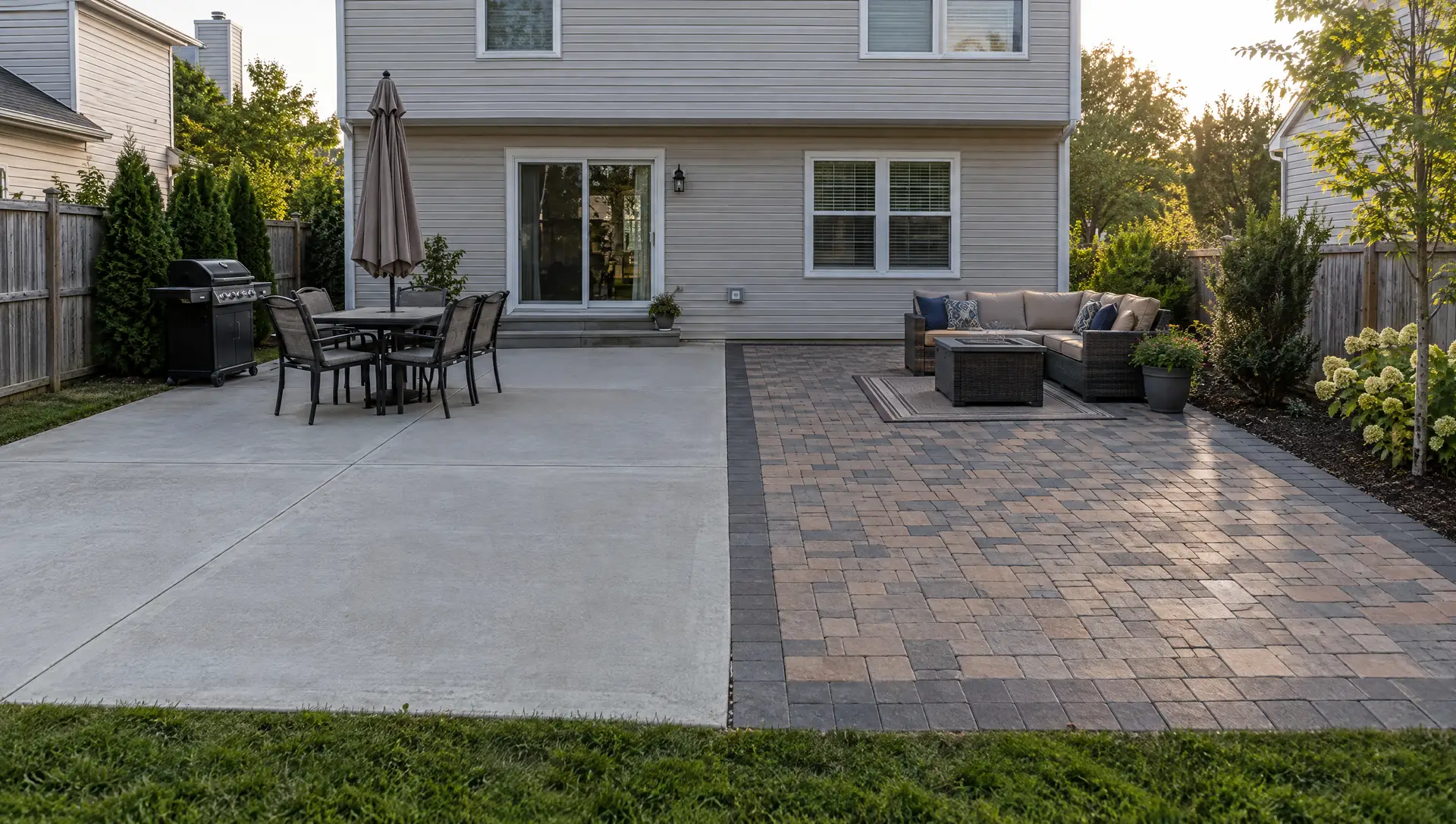
Pavers vs. poured concrete for NJ patios and driveways
How each holds up to freeze-thaw, salt, repairs and everyday use.
Read the guide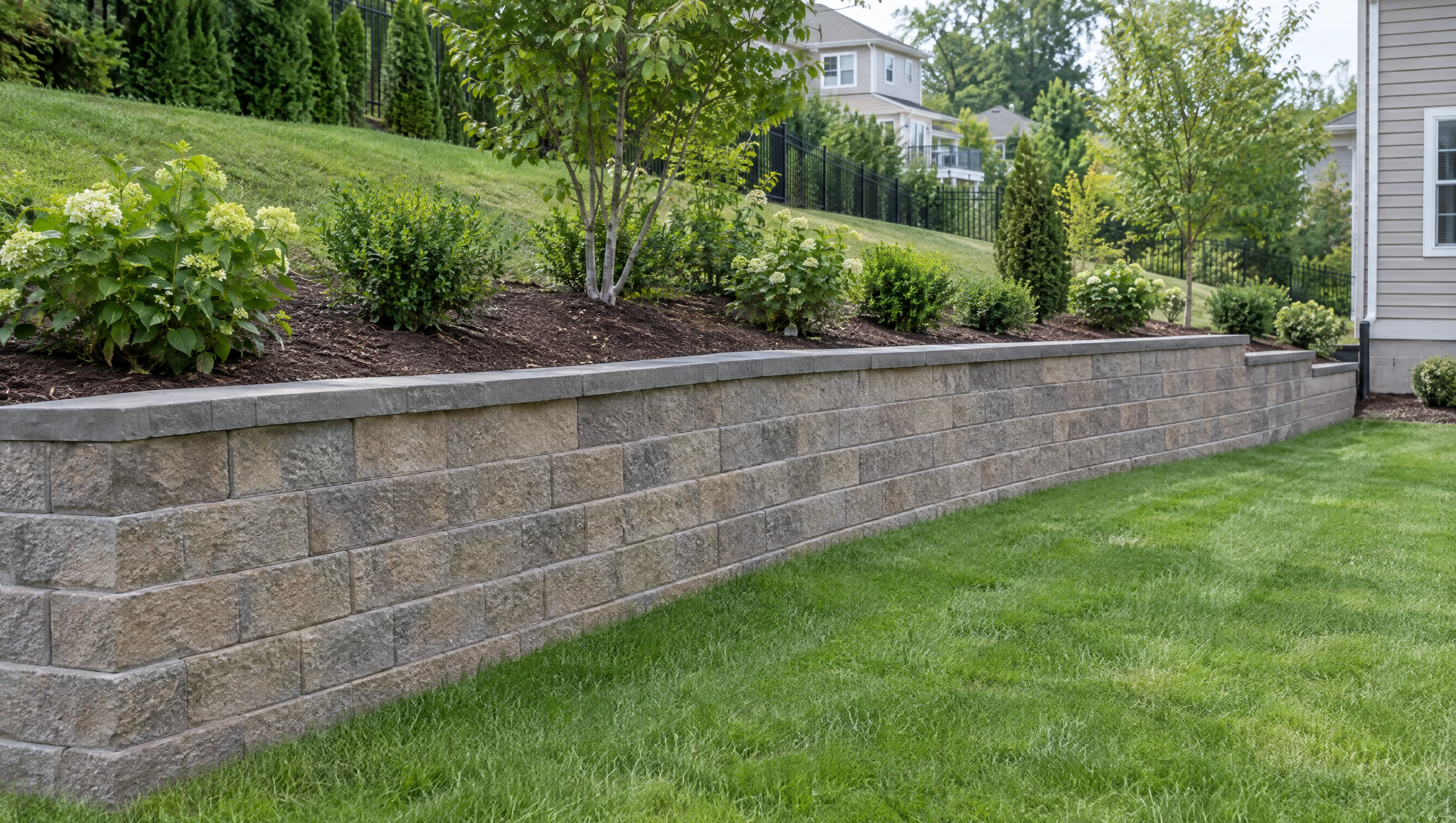
Hardscape
Retaining wall basics in NJ: permits, drainage and frost depth
When a wall needs a permit, why drainage matters most, and what goes behind the block.
Read the guide